
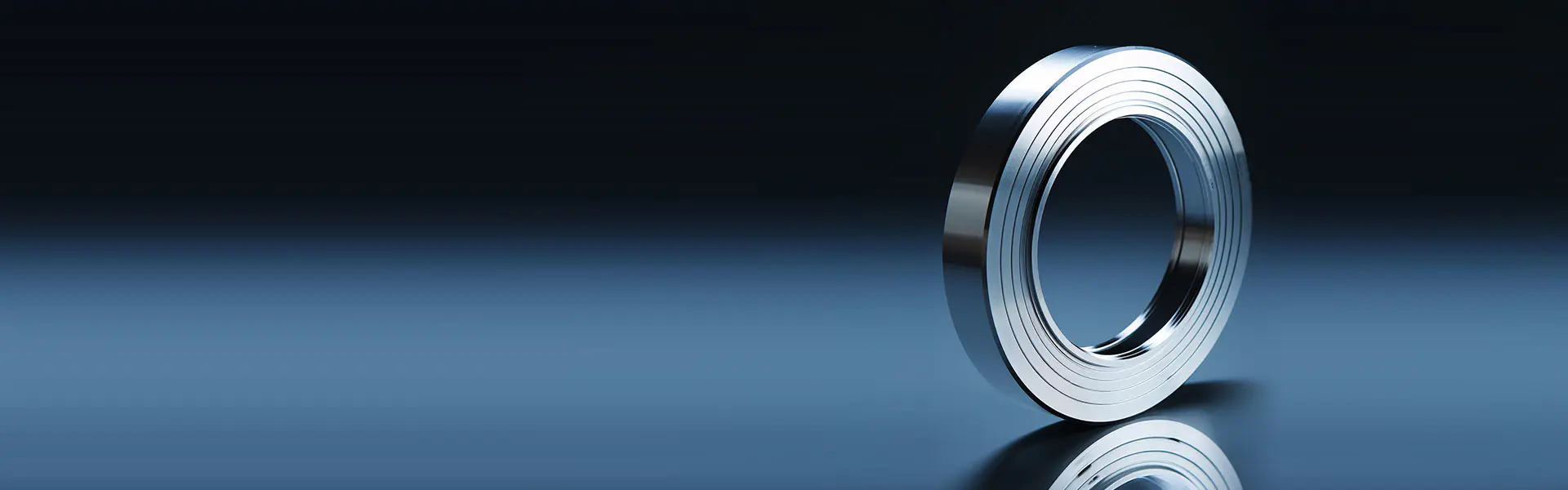
In industrial maintenance, pipeline construction, and engine assembly, creating a perfect, leak-proof seal is non-negotiable. This is where professional Gasket tools come into play. They are specialized instruments designed for the precise cutting, installation, removal, and compression of gaskets—the vital components that prevent fluid or gas leakage between mating surfaces. Using the correct tools is not merely a matter of convenience; it directly impacts seal integrity, system safety, and operational longevity. Improper techniques or makeshift tools can lead to gasket damage, uneven compression, and ultimately, costly failures and downtime. For professionals who demand precision and reliability, investing in a dedicated toolkit is essential.
At Kaxite Sealing, we have dedicated decades to understanding the nuanced challenges of sealing applications. Our philosophy is simple: the quality of the seal is only as good as the tools used to create it. That's why we engineer our Gasket tools with an uncompromising focus on durability, accuracy, and user ergonomics. We utilize premium-grade materials and subject every design to rigorous real-world testing. Whether you are working on a massive industrial flange or a delicate automotive component, Kaxite Sealing tools provide the confidence that every seal is installed correctly the first time, ensuring optimal performance and safety for your critical systems.
Our extensive range of Gasket tools is categorized by function. Below are detailed specifications for our core product lines.
Precision-cut gaskets are fundamental for a perfect fit. Our cutting tools handle a wide variety of materials, from soft fiber and rubber to more robust graphite and composite sheets.
Safe, clean removal of old gaskets is crucial to preparing a surface for a new seal. Our tools are designed to scrape away residue without gouging or damaging the underlying metal.
Ensuring even, calibrated compression is key to gasket functionality. Our tools help achieve the precise bolt loading specified by engineers.
| Model Series | Primary Function | Key Material | Size Range | Best For |
|---|---|---|---|---|
| KX-CUT100 | Adjustable Hole Cutting | HSS & Aluminum | 1/4" - 6" | Precise inner diameters in shop environments |
| KX-CUT200 | Manual Cutting & Trimming | Cr-V Steel | N/A (Hand Tools) | On-site adjustments, soft gasket materials |
| KX-REM300 | Surface Scraping | Carbide Tips | Multiple Blade Widths | Stubborn, baked-on gasket material removal |
| KX-REM400 | Powered Removal | Carbide Grit Polymer | Standard Oscillating Tool | Large, flat surfaces requiring fast cleanup |
Q: Can I use a utility knife or regular scraper instead of dedicated gasket tools?
A: While possible for very simple tasks, it is strongly discouraged. Standard tools are not designed for the specific angles and materials of gasket work. They increase the risk of damaging the critical sealing surface, creating nicks or gouges that can cause leaks. Dedicated tools like those from Kaxite Sealing are engineered to remove material without harming the substrate, ensuring a perfectly flat surface for the new gasket.
Q: How often should I calibrate my Kaxite Sealing torque wrench?
A: For professional use, calibration should be performed annually or after every 5,000 cycles, whichever comes first. If the wrench is dropped or subjected to extreme force, it should be calibrated immediately. Proper calibration is essential for achieving the exact bolt load specified by the gasket manufacturer, which is critical for seal performance and joint integrity.
Q: What is the main advantage of an adjustable hole cutter over punching out holes?
A: Adjustable hole cutters, like the KX-CUT100 series, offer unparalleled precision and cleanliness. Punching can distort the gasket material, especially softer composites, and often leaves ragged edges. A rotary cutter produces a clean, perfectly round hole of exact diameter, which is vital for ensuring the gasket seals evenly around bolt holes and doesn't tear during installation.
Q: Are Kaxite Sealing tools compatible with all gasket materials?
A: Our tools are designed to handle the vast majority of common gasket materials, including rubber, cork, fiber, graphite, PTFE, and metal jacketed varieties. However, for extremely hard materials like solid metal gaskets, specific cutting or installation tools may be required. Always consult the tool's specification sheet or our technical team for applications involving exotic or ultra-hard seal materials.
Q: Why is surface preparation so important, and how do your removal tools help?
A: Any residual old gasket material, oil, or debris on the sealing surface creates an uneven plane. When the new gasket is compressed, these inconsistencies become leak paths. Proper surface preparation is arguably the most critical step in gasket installation. Our removal tools, particularly the carbide-tipped scrapers, are designed to clean the surface thoroughly without metal-to-metal contact that causes scoring, creating the ideal foundation for a new, reliable seal.
Q: Do you offer tool sets for specific industries, like automotive or HVAC?
A: Yes. Kaxite Sealing offers curated toolkits tailored for common tasks in industries such as automotive repair (e.g., valve cover and oil pan gasket kits), industrial pipefitting, and HVAC/R. These kits combine the most frequently used cutters, scrapers, and installation aids for that field, providing a cost-effective and comprehensive solution for technicians.


