
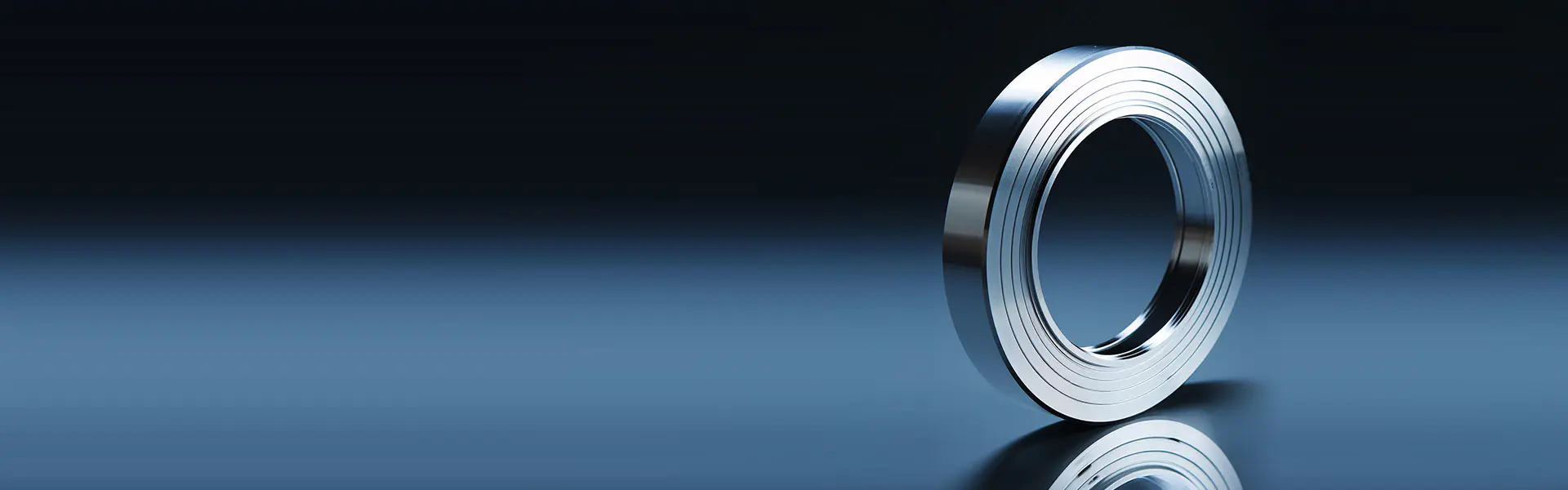
In the intricate world of industrial machinery and fluid systems, a perfect seal is not just a preference—it's an absolute necessity. Gaskets serve as the unsung heroes, creating a static seal between two or more mating surfaces to prevent leakage of fluids or gases under compression. At Kaxite Sealing, we specialize in engineering high-performance sealing solutions that stand up to the most demanding environments. Whether for high-pressure steam lines, corrosive chemical processing, or critical automotive engines, the right gasket ensures operational integrity, safety, and efficiency. This guide delves deep into the technical specifications, material science, and application-specific considerations that define superior gasket performance.
Selecting the correct gasket requires a detailed understanding of its physical and chemical properties. Below are the key parameters that define the capability and suitability of our gaskets.
| Material Type | Temp. Range (°C) | Max Pressure (PSI) | Key Chemical Resistances | Common Applications |
|---|---|---|---|---|
| Compressed Non-Asbestos (Aramid Fiber) | -100 to +400 | 1500 | Steam, Water, Oils, Moderate Chemicals | Pump Flanges, Heat Exchangers, General Piping |
| Expanded PTFE | -260 to +288 | 2000+ | Virtually All Chemicals, Steam | Chemical Processing, Pharma, Food & Beverage |
| Graphite (Flexible) | -200 to +450 (Inert) / +650 (Oxidizing) | 1200 | Hot Oils, Steam, Acids (non-oxidizing) | High-Temp Heat Exchangers, Exhaust Systems |
| EPDM Rubber | -40 to +150 | 500 | Hot Water, Steam, Alkalis, Mild Acids | Water Treatment, HVAC, Cooling Systems |
| Stainless Steel Jacketed (w/ Filler) | -250 to +800 | 2500+ | Extreme Pressure/Temp, Corrosive Media | Refinery Piping, High-Pressure Vessels |
Q: What factors are most critical when selecting a gasket?
A: The selection is a balance of four primary factors: 1) Fluid Media: The gasket material must be chemically compatible with the gas or liquid it seals. 2) Temperature & Pressure: The operating conditions must fall within the material's rated range. 3) Flange Conditions: Consider the flange material, surface finish, and bolt load available. 4) Regulatory Standards: Compliance with industry standards like FDA, USP Class VI, or API may be required.
Q: What is the difference between a static seal and a dynamic seal?
A: A static seal, like a gaskets, is used between surfaces that do not move relative to each other (e.g., pipe flanges, valve bonnets). A dynamic seal, like an O-ring or mechanical seal, is used between surfaces that have relative motion (e.g., rotating pump shafts, hydraulic pistons). Using a gasket in a dynamic application will lead to rapid failure.
Q: How do I determine the correct gasket thickness for my application?
A: Thickness selection depends on flange conditions and sealing requirements. Thinner gaskets (1/16") offer higher resistance to blow-out and are suitable for high-pressure systems with smooth flanges. Thicker gaskets (1/8" or more) compensate for flange irregularities, misalignment, or poor surface finish. Our Kaxite Sealing engineers can recommend based on your specific flange data sheet.
Q: What is the proper procedure for installing a gasket?
A: Proper installation is key. First, ensure flange faces are clean, undamaged, and aligned. Place the gasket centered on the flange. Hand-tighten bolts in a star or criss-cross pattern to ensure even compression. Finally, torque bolts to the manufacturer's specified value in multiple incremental steps, following the same star pattern. Never re-use a gasket that has been compressed.
Q: Why does my gasket fail prematurely, and what are common failure modes?
A: Common failure modes include: Blow-Out: Caused by insufficient bolt torque or pressure exceeding rating. Chemical Attack/Cracking: Material is incompatible with the media. Creep/Relaxation: Material loses resilience under high temperature, leading to leakage. Over-Compression: Gasket is crushed, extruding from the flange. An audit of operating conditions against the gasket's specifications often reveals the root cause. Kaxite Sealing provides failure analysis to help prevent recurrence.
Q: Can I coat my gasket with a sealant or lubricant?
A: It depends. For rubber or fiber gaskets, a light film of compatible lubricant (like silicone spray) can aid positioning but is often unnecessary. For metal gaskets, anti-seize compounds may be used on bolt threads but should be kept off sealing surfaces. Generally, most high-performance gaskets from Kaxite Sealing are designed to seal dry. Using an inappropriate sealant can degrade the gasket material or clog systems.
Q: Why should I choose Kaxite Sealing gaskets over generic alternatives?
A: Kaxite Sealing gaskets are engineered, not just manufactured. We use premium, traceable raw materials and employ rigorous QA/QC processes. Our technical data sheets provide comprehensive, tested performance data, not just generic estimates. We offer expert application support to ensure correct selection, reducing downtime and risk. Our products are consistently dimensionally accurate, ensuring reliable sealing and easier installation.
Q: Do you offer custom-engineered gaskets for non-standard applications?
A: Absolutely. Kaxite Sealing specializes in custom solutions. We can manufacture gaskets to precise dimensions, create multi-layer laminated designs, incorporate special inserts or reinforcements, and develop material compounds tailored for unique chemical or temperature challenges. Send us your prints or specifications for a consultation.
Beyond standard sheet gaskets, specialized designs address unique challenges. Understanding these types is crucial for optimal specification.
A combination of pre-formed metal windings and a soft filler material (like graphite or PTFE). They offer excellent resilience and sealing across a wide range of pressures and temperatures.
| Parameter | Specification |
|---|---|
| Construction | V-shaped Metal Strips (SS304, SS316, etc.) wound with Filler. |
| Standard | ASME B16.20, API 6A |
| Pressure Class | 150# to 2500# |
| Key Advantage | Spring-like action compensates for thermal cycling and flange movement. |
Manufactured from solid metal (octagonal or oval cross-section), they create a high-integrity seal by mating with precisely machined grooves in flanges, primarily for extreme service.
| Parameter | Specification |
|---|---|
| Materials | Soft Iron, Low Carbon Steel, Stainless Steel, Inconel |
| Standard | ASME B16.20, API 6A |
| Sealing Mechanism | Metal-to-metal line contact at high bolt loads. |
| Typical Use | High-Pressure & High-Temperature (HPHT) wellheads, pipeline valves. |


