
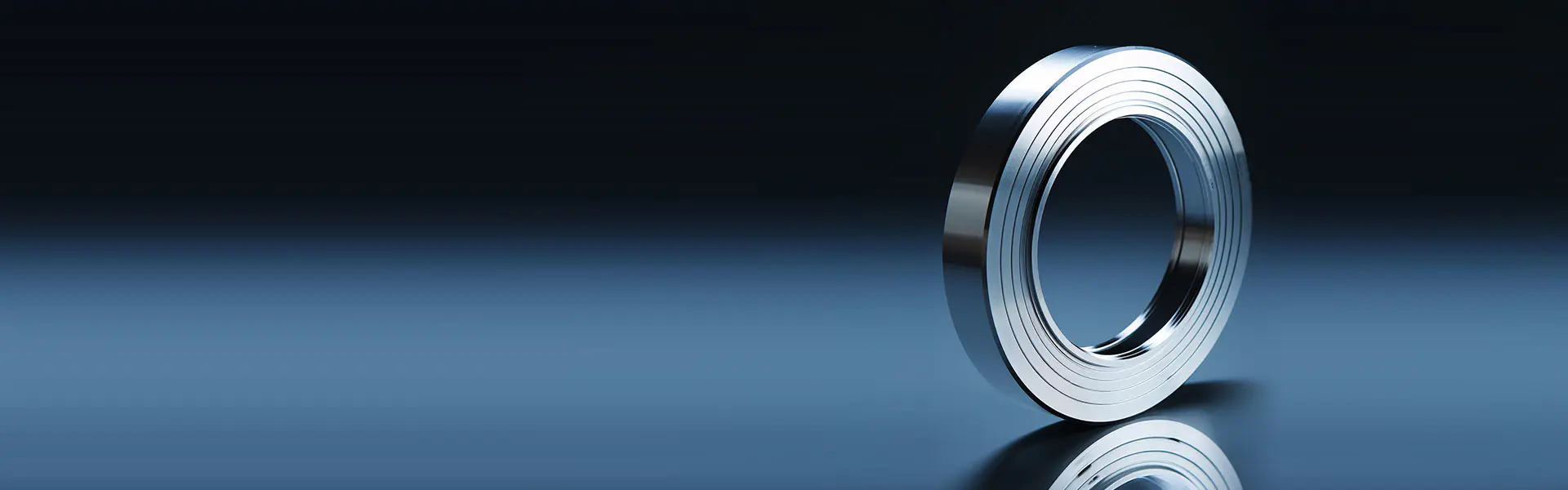
In the demanding world of industrial sealing, reliability is non-negotiable. PTFE Gaskets stand at the forefront of sealing technology, offering unparalleled performance across a vast spectrum of chemical and thermal environments. Polytetrafluoroethylene, or PTFE, is a synthetic fluoropolymer renowned for its exceptional chemical inertness, wide temperature range, and low coefficient of friction. For engineers and procurement specialists seeking a sealing component that combines durability with versatility, PTFE gaskets from Kaxite Sealing represent a benchmark of quality and engineering excellence. Our commitment at Kaxite Sealing is to provide sealing solutions that not only meet but exceed the stringent requirements of modern industry, ensuring leak-free operation, enhanced safety, and reduced maintenance costs.
The decision to specify PTFE gaskets is driven by a need for superior material properties. Kaxite Sealing leverages the inherent benefits of high-purity PTFE to manufacture gaskets that deliver consistent, long-term performance.
Kaxite Sealing offers a comprehensive range of PTFE gasket types, each engineered for specific application demands. Below are the detailed specifications for our standard Virgin PTFE Gasket material.
| Property | Test Method | Typical Value (Virgin PTFE) | Units |
|---|---|---|---|
| Specific Gravity | ASTM D792 | 2.15 - 2.20 | g/cm³ |
| Tensile Strength | ASTM D638 | 25 - 35 | MPa |
| Elongation at Break | ASTM D638 | 300 - 500 | % |
| Compression Set (22 hrs @ 25°C) | ASTM D395 Method B | 40 - 60 | % |
| Coefficient of Friction (Dynamic) | ASTM D1894 | 0.05 - 0.08 | - |
| Continuous Service Temperature | - | -200°C to +260°C | °C |
| Thermal Conductivity | ASTM C177 | 0.25 | W/m·K |
| Dielectric Strength | ASTM D149 | >60 | kV/mm |
| Water Absorption | ASTM D570 | < 0.01 | % |
Kaxite Sealing provides PTFE gaskets in various forms to suit different flange designs and sealing needs.
Q: What are the primary applications for PTFE gaskets?
A: PTFE gaskets from Kaxite Sealing are used across a multitude of industries due to their chemical inertness. Key applications include chemical processing plants (for reactors, pumps, and valve seals), pharmaceutical and bio-processing (where purity is critical), food and beverage production, semiconductor manufacturing (for ultra-pure fluid handling), oil & gas (for aggressive wellstream chemicals), and general industrial piping systems handling corrosive media.
Q: How do I select the right thickness for a PTFE gasket?
A: Gasket thickness selection depends on flange conditions, pressure, temperature, and bolt load. For standard ANSI flanges, 1.5mm (1/16") and 3mm (1/8") are common. Thinner gaskets (0.5mm-1.5mm) offer better creep resistance under high bolt load. Thicker gaskets (3mm+) are better for uneven flanges or low bolt loads. For specific guidance, consult Kaxite Sealing's engineering team with your flange rating, surface finish, and media details.
Q: Can PTFE gaskets be used for high-pressure applications?
A: Virgin PTFE has a tendency to "cold flow" or creep under sustained high pressure and temperature, which can lead to a loss of sealing stress. For high-pressure applications, Kaxite Sealing recommends using our filled PTFE compounds (e.g., glass-filled or carbon-filled) or PTFE envelope gaskets with a resilient core. These designs significantly improve creep resistance and maintain a tight seal in high-pressure systems, often up to several hundred psi, depending on the flange design.
Q: What is the difference between Virgin PTFE and Expanded PTFE (ePTFE)?
A: Virgin PTFE is a solid, dense polymer with the highest chemical purity. Expanded PTFE (ePTFE) is a processed form where the PTFE is stretched, creating a microporous, fibrillated structure that is softer and more compressible. Kaxite Sealing ePTFE gaskets are excellent for sealing uneven or damaged flange surfaces at lower bolt torques, provide superior conformability, and have excellent thermal and electrical insulation properties, though they may have slightly lower chemical permeation resistance than solid PTFE against some gases.
Q: How should PTFE gaskets be installed and torqued?
A: Proper installation is crucial. Ensure flanges are clean, aligned, and undamaged. Place the gasket carefully centered. Follow a cross-pattern torque sequence (star pattern) to apply load evenly. For standard PTFE, retorquing after 24 hours of operation is often recommended to compensate for initial cold flow. Use a torque wrench and refer to ASME PCC-1 guidelines or Kaxite Sealing's provided torque recommendations based on gasket type, size, and service conditions. Over-torquing can cause excessive creep and gasket failure.
Q: Are Kaxite Sealing PTFE gaskets suitable for oxygen service?
A: Yes, but with critical precautions. PTFE itself is compatible with oxygen. However, for high-pressure or high-purity oxygen service, gaskets must be meticulously cleaned to remove all organic contaminants (oils, grease) that could pose a fire risk. Kaxite Sealing offers specially cleaned and packaged PTFE gaskets for oxygen service, processed in a controlled environment to meet the stringent requirements of standards like ASTM G93.
Q: What are the limitations of PTFE gaskets?
A: While extremely versatile, PTFE gaskets have considerations. They are susceptible to creep under high stress and temperature (mitigated with filled compounds). They can be permeated by small molecules like helium and chlorine gas over time. They have high thermal expansion, which must be considered in thermal cycling applications. Pure PTFE is also relatively soft and can be cut by sharp flange edges. Kaxite Sealing engineers can help assess if PTFE is optimal for your specific service or if an alternative like PEEK or a flexible graphite gasket might be more suitable.
Kaxite Sealing distinguishes itself through a deep commitment to material science, precision manufacturing, and customer-centric engineering. We don't just supply gaskets; we provide sealing solutions backed by decades of expertise. Our in-house capabilities include advanced CNC cutting, skiving, and molding, allowing us to produce gaskets to the most exacting specifications, including non-standard sizes and complex prototypes. Every batch of PTFE resin is rigorously tested for purity and consistency, ensuring the performance data we publish is reliably delivered in the field. Our technical support team works directly with clients to analyze application challenges, recommend the optimal PTFE gasket type and material compound, and ensure a perfect fit and function. For industries where failure is not an option, trust Kaxite Sealing to deliver the reliability engineered into every PTFE gasket we produce.


